28 April 2026
Enclosed vs Open Trailers: Pros and Cons
When it comes to choosing a trailer for work or personal use, one of the biggest decisions you'll make is whether to go with an enclosed or open design. Both have distinct advantages and disadvantages, and the right choice depends on your specific needs, budget, and how you plan to use your trailer.
Enclosed Trailers: The Protected Option
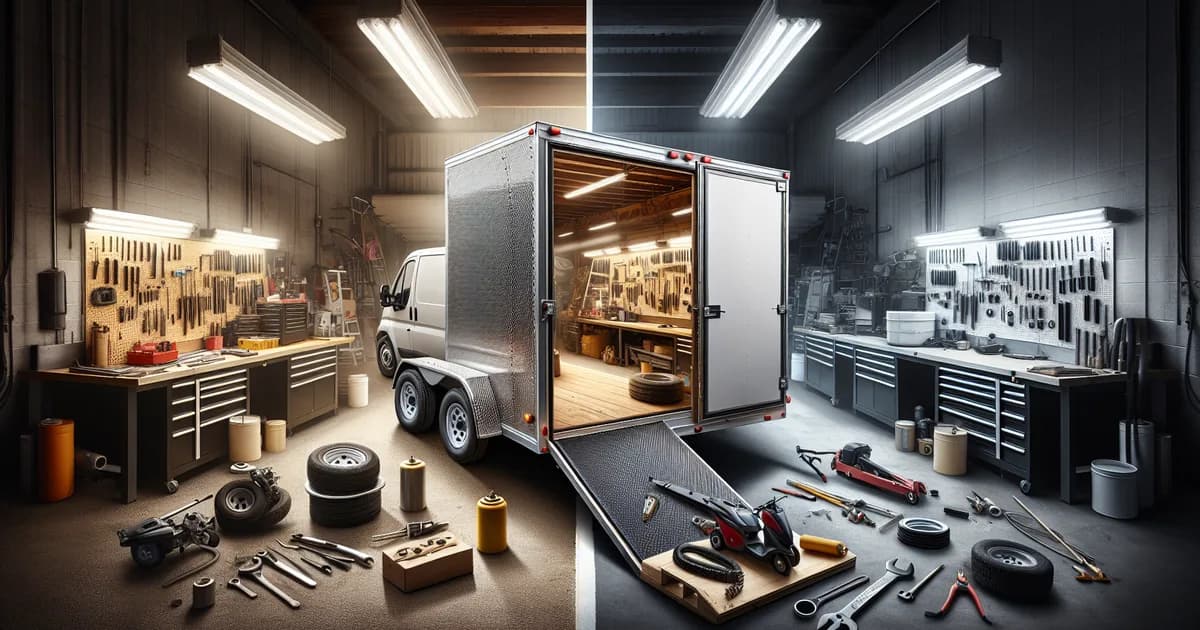
Enclosed trailers are fully boxed structures with a roof, walls, and doors. They offer superior protection for whatever you're transporting, whether it's tools, equipment, furniture, or vehicles.
Advantages of Enclosed Trailers
The primary benefit is protection from the elements. Australia's harsh UV rays, sudden downpours, and extreme temperatures won't damage your cargo. This makes enclosed trailers ideal for valuable items, sensitive materials, or anything that needs to stay clean and dry.
Security is another major advantage. Your contents are completely hidden and locked away, reducing the risk of theft. This peace of mind is invaluable when carrying expensive tools or equipment.
Enclosed trailers also improve fuel efficiency compared to open trailers, which create wind resistance. You'll notice better towing performance and lower fuel costs over time.
They're also more versatile for weather conditions—rain, dust storms, or scorching outback heat won't affect your load or your ability to work safely.
Disadvantages of Enclosed Trailers
The main drawback is cost. Enclosed trailers are significantly more expensive to purchase than comparable open models. This higher initial investment can be challenging for small businesses or occasional users.
Maintenance is more complex. The enclosed structure means seals, hinges, and door mechanisms need regular attention to prevent water ingress and rust. The interior needs ventilation management to prevent moisture buildup, especially in humid Australian regions.
Loading and unloading can be more awkward—you're working in a confined space, which becomes frustrating when dealing with large or bulky items. Visibility during hitching and reversing is also reduced.
Open Trailers: The Practical Choice
Open trailers are frames with wheels and a tray—no roof or walls. They're straightforward, rugged, and have been the workhorse of Australian industries for decades.
Advantages of Open Trailers
Affordability is the biggest selling point. Open trailers cost significantly less upfront, making them accessible for budget-conscious buyers and those who don't need frequent use.
Maintenance is simpler. With no enclosed structure, there's less that can go wrong. You won't deal with rust-prone seals or water damage inside. Regular cleaning and basic checks are usually sufficient.
Loading is easier thanks to full access from all sides. Whether you're hauling construction materials, garden waste, or agricultural produce, you can load from any angle without squeezing into a confined space.
Repairs are more straightforward and cheaper. Most open trailer issues are mechanical—suspension, tyres, bearings—rather than structural problems. Parts are readily available across Australia.
They're also lighter, which means lower towing costs and less strain on your vehicle.
Disadvantages of Open Trailers
Weather exposure is the main concern. Your cargo gets battered by rain, UV damage, and dust. In Australia's variable climate, this can degrade materials quickly. You'll often need to cover loads with tarps, adding extra time and expense.
Security is poor—everything is visible and accessible. Securing valuable items requires additional measures like chains or covers, and theft risk is higher.
Open trailers create significant wind resistance, reducing fuel efficiency and making towing less smooth, especially on long highway journeys.
You also have limited versatility. In wet weather, some jobs become impossible or unpleasant. Summer heat can make working around exposed loads uncomfortable.
Which Should You Choose?
Choose an enclosed trailer if you:
- Transport valuable or sensitive items regularly
- Need security and weather protection
- Plan long-term use and can justify the investment
- Work in variable Australian weather conditions
- Prioritise fuel efficiency and professional appearance
Choose an open trailer if you:
- Have a tight budget
- Transport hardy materials like soil, gravel, or scrap
- Need occasional use rather than daily operation
- Prefer simple maintenance and repairs
- Load/unload bulky items frequently
Final Thoughts
There's no universally "better" option—it comes down to your specific circumstances. Many serious operators actually own both, using each for different purposes. Consider your budget, usage frequency, cargo type, and local weather patterns when deciding.
Whatever you choose, proper maintenance is essential. Regular inspections of brakes, tyres, bearings, and lights will keep your trailer safe and reliable on Australian roads.