1 May 2026
How to Extend the Life of Your Trailer
Your trailer is an investment that deserves proper care and maintenance. Whether you use it for work, recreation, or camping trips around Australia, extending its lifespan will save you money on repairs and replacements. Here are practical steps you can take to keep your trailer in excellent condition for years to come.
Regular Inspections Save Money
The single most important thing you can do is conduct regular inspections. Check your trailer at least once a month, more frequently if you use it regularly. Look for signs of rust, damaged welds, cracked lights, and worn tyres. Early detection of problems prevents small issues from becoming expensive repairs. Pay special attention to the undercarriage where corrosion often starts, especially if you travel near coastal areas or through salty conditions.
Maintain Your Tyres Properly
Trailer tyres are critical to both safety and longevity. Check tyre pressure before every trip—underinflated tyres wear faster and generate heat that shortens their life. Rotate your tyres every 5,000 to 8,000 kilometres, and inspect for uneven wear patterns that might indicate alignment issues. Replace tyres when tread depth falls below 1.6mm. Store your trailer out of direct sunlight when not in use, as UV exposure degrades rubber prematurely.
Keep Bearings and Hubs in Top Shape
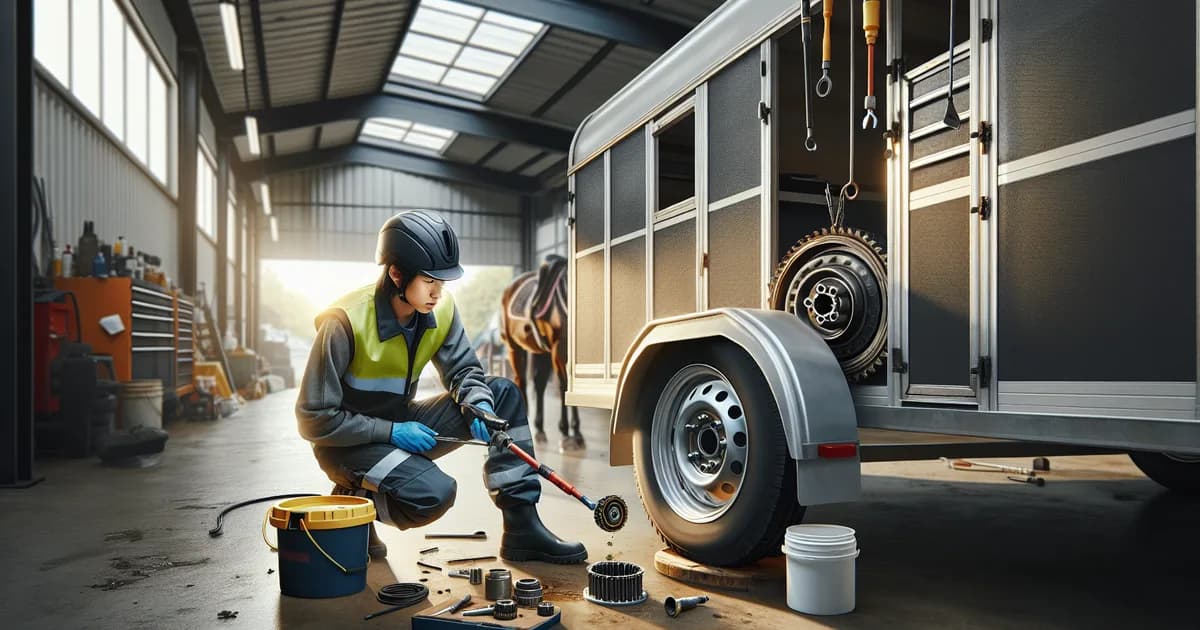
Wheel bearing maintenance is crucial for trailer longevity. If your trailer has grease-lubricated bearings, have them serviced and repacked every 12 months or 10,000 kilometres—whichever comes first. Sealed bearings require less frequent attention but should still be inspected annually. A bearing failure can cause catastrophic damage whilst you're towing, so never skip this maintenance. Signs of trouble include unusual noises, excessive heat, or steering pull.
Protect Against Rust and Corrosion
Rust is a trailer's worst enemy, particularly in Australia's harsh climate. After trips to coastal areas or through wet conditions, rinse your trailer with fresh water to remove salt and contaminants. Apply rust inhibitor to metal areas, especially welds and exposed metal. Consider undercoating exposed surfaces, and touch up any paint chips immediately to prevent rust spreading. Use a quality cover when storing your trailer long-term, but ensure adequate ventilation underneath to prevent moisture accumulation.
Electrical System Care
Trailer lights and wiring are frequently overlooked but essential for safety and legal compliance. Check all lights monthly, replacing any blown globes immediately. Inspect connectors for corrosion and ensure they're clean and dry. Use electrical grease on connections to prevent moisture ingress. Test your brake lights, tail lights, and indicator lights before every trip. Corroded wiring is a common cause of electrical faults, so consider having a professional inspect your system annually.
Brake System Maintenance
Brakes are vital for safe towing and need regular attention. Have brake fluid checked and replaced according to manufacturer recommendations—typically every two years. Inspect brake pads or shoes for wear, and check drum or disc brakes for rust and damage. If you notice spongy brake feel, grinding sounds, or reduced stopping power, have the system inspected immediately by a qualified technician. Proper brake maintenance prevents accidents and extends your trailer's safe working life.
Check Couplings and Safety Equipment
Inspect your coupling regularly for wear, cracks, and corrosion. Ensure it's the correct rating for your vehicle and load. Grease couplings as recommended—typically annually. Check safety chains for damage and corrosion, and ensure breakaway cables function properly. These components are your backup safety systems and must be maintained meticulously.
Proper Loading and Weight Distribution
How you load your trailer significantly impacts its longevity. Never exceed the maximum towing capacity, and distribute weight evenly to avoid putting excessive stress on suspension components. Uneven loading causes premature wear on bearings, brakes, and suspension. Use load restraints properly to prevent cargo shifting, which can damage the trailer structure.
Professional Servicing
Whilst regular inspections are essential, professional servicing ensures nothing is overlooked. Have your trailer serviced annually by a qualified repairer who can perform thorough checks and address issues you might miss. Many trailer repair specialists can identify potential problems before they become serious.
Conclusion
Extending your trailer's life requires consistent attention to maintenance and prompt repairs. Regular inspections, proper tyre care, bearing maintenance, rust prevention, and professional servicing are your best investments. By following these recommendations, you'll keep your trailer safe, reliable, and roadworthy for many years of use across Australia. When repairs are needed, don't delay—contact a local trailer repair specialist to keep your investment protected.