11 March 2026
Load Restraint Laws in Australia: What Trailer Owners Must Know
Load Restraint Laws in Australia: What Trailer Owners Must Know
Whether you're towing a horse float, equipment trailer, or utility box, understanding Australia's load restraint laws is critical for both safety and legal compliance. Heavy fines and potential liability make it essential to get this right. Here's what every Australian trailer owner needs to know.
Why Load Restraint Matters
Proper load restraint isn't just about following the rules—it's about protecting yourself, your cargo, and other road users. Unsecured loads cause accidents, injuries, and deaths on Australian roads every year. When cargo shifts or falls during transit, it can damage your trailer, create hazards for following vehicles, and result in significant legal consequences for you as the vehicle operator.
The Legal Requirements
In Australia, load restraint is governed by the Australian Standards (AS 4687-2007) and enforced through national road rules adopted by each state and territory. The fundamental requirement is simple: every load must be secured so it cannot fall or shift during normal driving conditions.
This applies regardless of whether you're transporting a small load locally or hauling heavy equipment interstate. Police and transport authorities regularly inspect trailers and can issue on-the-spot fines for non-compliance.
Restraint Methods and Standards
There are several approved methods for securing loads:
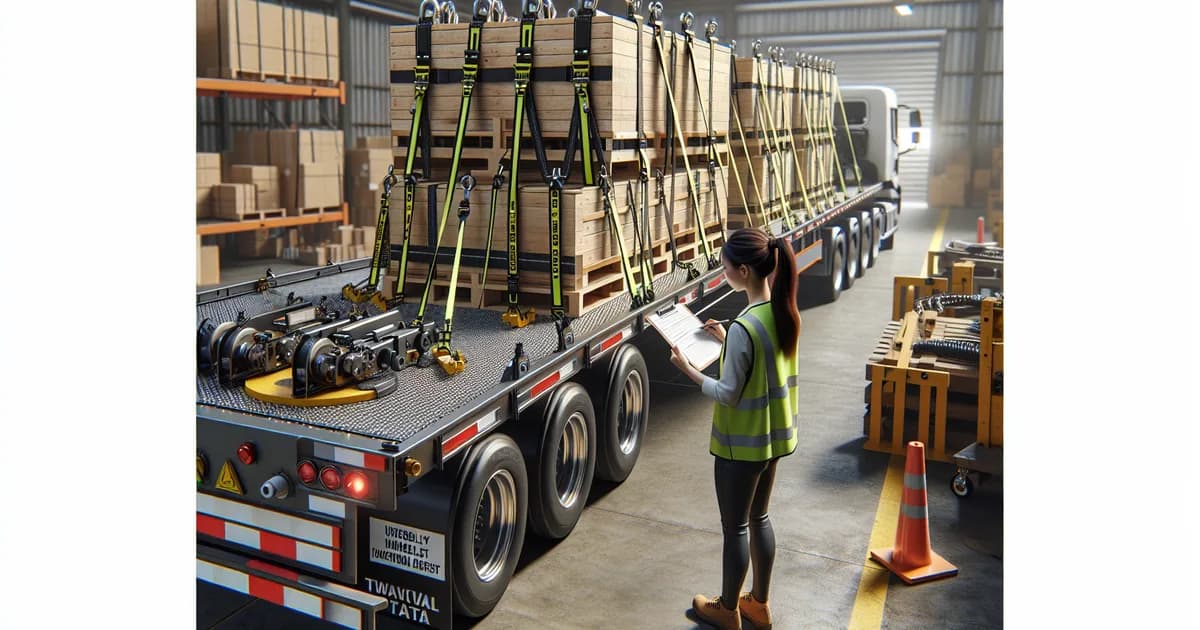
Tie-down straps and chains: These are the most common restraint method. Straps and chains must be rated for the load weight and securely attached to anchor points on both the trailer and load. Cross-bracing is recommended for taller loads.
Friction and load distribution: For some cargo types, proper weight distribution across the trailer bed can provide sufficient restraint when combined with side boards or edge protection.
Blocking and bracing: Physical barriers prevent cargo from shifting. This is particularly important for loads like machinery or timber that cannot be easily wrapped.
Dedicated load systems: Purpose-built systems like flatbed trays with integrated tie-points and corner posts are specifically designed to meet restraint standards.
Specific Load Types
Different cargoes have different requirements:
Vehicles and machinery: Typically require a minimum of four restraint points using chains or heavy-duty straps, with diagonal bracing for stability.
Livestock trailers: Must have secure panels and gates, with additional restraints for individual animals if needed.
Building materials and timber: Long items like building timber require proper distribution and multiple restraint points along their length.
General cargo: Boxes, crates, and packages must be stacked securely and cannot overhang the trailer sides or rear beyond specified limits.
Anchor Points and Trailer Maintenance
Your trailer's anchor points are critical. Regular inspection is essential:
- Check that all tie-down points are secure and not rusted or damaged
- Inspect welds around anchor points for cracks
- Ensure anchor points are rated for the loads you carry
- If anchor points are damaged, have them repaired professionally before using the trailer
This is where regular trailer maintenance comes in. A well-maintained trailer with secure, intact anchor points is your first line of defence against restraint failures.
Penalties for Non-Compliance
Australian states and territories impose substantial penalties for load restraint breaches:
- On-the-spot fines typically range from $300 to $1,000 depending on the state
- Court-imposed fines can reach $5,000 or more for serious breaches
- Demerit points may be added to your driving record
- Vehicle impounding in severe cases
- Personal liability if your unsecured load causes injury or damage to others
Best Practices for Compliance
Inspect before every trip: Check that all restraints are in place and secure before hitting the road.
Use appropriate equipment: Invest in quality straps, chains, and tie-downs rated for your typical loads. Damaged or worn restraints should be replaced.
Plan your load: Distribute weight evenly and place heavier items lower and forward. This improves stability and reduces the load on restraint systems.
Secure everything: Don't assume small items don't need restraining. Even lightweight cargo can cause accidents if it shifts or falls.
Regular maintenance: Have your trailer inspected by a qualified technician regularly. They'll identify and fix issues with anchor points, floors, and structural integrity before they become problems.
Getting Professional Help
If you're unsure about restraint requirements for your specific trailer or cargo type, consult a professional. Local trailer repair specialists can assess your trailer's condition, upgrade anchor points if needed, and advise on the best restraint methods for your application.
Conclusion
Load restraint compliance is non-negotiable in Australia. By understanding the requirements, maintaining your trailer properly, and using appropriate restraint methods, you'll protect yourself legally, keep the roads safer, and ensure your cargo arrives securely. When in doubt, seek professional advice—it's far cheaper than penalties or accident liability.