8 May 2026
Trailer Floor Replacement: Timber vs Aluminium
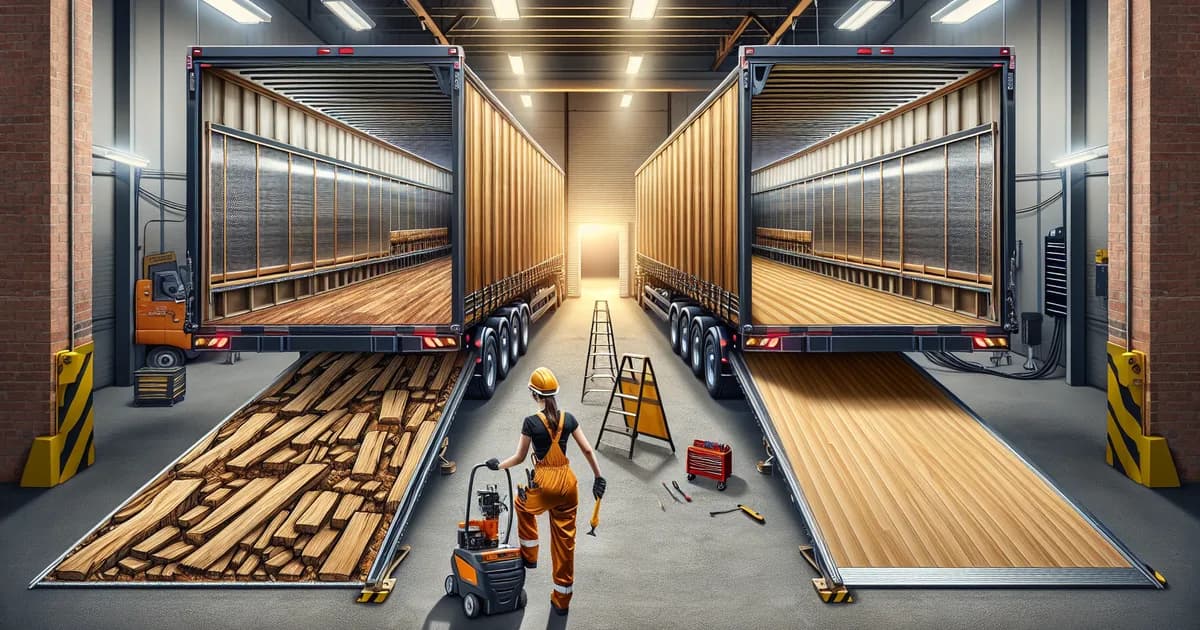
The flooring of your trailer takes a beating from constant use, weather exposure, and heavy loads. When the time comes for replacement, you'll face an important decision: timber or aluminium? Both materials have distinct advantages and drawbacks, and choosing the right one depends on your specific needs, budget, and how you use your trailer.
Timber Floors: Traditional Choice
Timber remains the most popular choice for trailer flooring in Australia, particularly for agricultural and general-purpose trailers. The appeal is straightforward: timber is relatively affordable, easy to install, and provides excellent grip for cargo.
Advantages of timber floors:
Timber offers superior traction, which means your load is less likely to shift during transport. It's also readily available and simple for most mechanics to replace. If you only need to replace a few boards, you can do so without replacing the entire floor. Additionally, timber is gentler on tools and equipment that might scratch or dent when loaded onto harder surfaces.
Disadvantages of timber floors:
This is where timber shows its limitations in the Australian climate. Prolonged exposure to sun, rain, and humidity causes timber to warp, split, and rot over time. In tropical or coastal regions, timber deterioration accelerates significantly. You'll need to maintain your timber floor regularly—treating it with protective coatings, replacing rotted boards, and checking for damage frequently. A timber floor typically lasts 5–10 years depending on conditions and maintenance.
Aluminium Floors: Modern Alternative
Aluminium flooring has become increasingly popular for trailers that operate in harsh Australian conditions or require minimal maintenance.
Advantages of aluminium floors:
Aluminium is exceptionally durable and corrosion-resistant, making it ideal for trailers exposed to salt spray, humidity, or extreme weather. It won't rot, warp, or attract termites—major concerns in Australia's climate. Aluminium floors are also lighter than timber, improving fuel efficiency and payload capacity. They require virtually no maintenance beyond occasional cleaning and can last 15–20 years or more. For trailers operating in coastal areas or tropical regions, aluminium is a genuine solution to longevity problems.
Disadvantages of aluminium floors:
The primary drawback is cost. Aluminium flooring typically costs 2–3 times more than timber installation. The surface can also be slippery when wet, requiring you to use mats or apply grip treatments for safety when loading cargo. Aluminium can dent more easily than timber, though these dents are usually cosmetic rather than structural. Additionally, if you need to replace part of an aluminium floor, you often need to replace larger sections rather than individual boards.
Cost Comparison
For a standard utility trailer, expect to pay $800–$1,500 for a quality timber floor replacement. An aluminium floor for the same trailer typically costs $2,000–$4,000 or more. However, when you factor in long-term maintenance costs—timber treatments, board replacements, and labour for repairs—aluminium's total cost of ownership is often competitive, especially over 10+ years.
Climate Considerations for Australian Owners
Your location matters significantly. In Queensland, northern NSW, and coastal areas, timber deteriorates quickly due to humidity and salt air. For these regions, aluminium is often the smarter long-term investment. In drier inland areas of South Australia and western NSW, timber holds up better and remains cost-effective.
Which Should You Choose?
Choose timber if:
- You operate primarily inland with low humidity
- Budget is your primary concern
- Your trailer carries fragile cargo that needs grip
- You don't mind regular maintenance
Choose aluminium if:
- You're in a coastal, tropical, or humid region
- Your trailer faces saltwater exposure
- You prefer minimal maintenance
- You want maximum lifespan
- You want to maximise payload capacity
Final Thoughts
Neither option is universally superior—the best choice depends on your circumstances. Consult with a local trailer repair specialist who understands regional climate challenges. They can assess your current trailer condition and recommend the most practical option for your specific situation and Australian location. Whatever you choose, proper installation and timely maintenance will maximise your investment's value.